
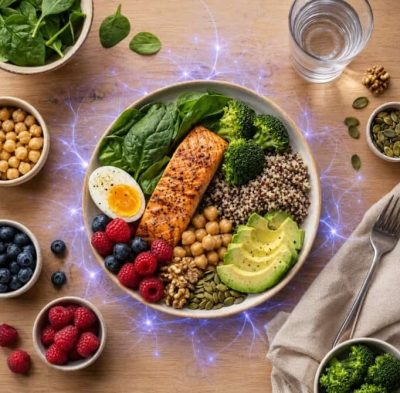
The foods you eat do more than provide energy. They also supply the nutrients your brain needs to produce neurotransmitters, including dopamine. This important chemical messenger helps regulate motivation, focus, memory, learning, and feelings of reward. While dopamine support is often associated with pleasure, it also plays a central role in many everyday mental and physical functions. Nutrition provides essential building blocks for dopamine production, especially when paired with exercise, quality sleep, and stress management.
Understanding Dopamine’s Role
Dopamine is a chemical messenger that helps nerve cells communicate and supports reward, motivation, movement, attention, decision-making, and emotional balance. When dopamine functions properly, it becomes easier to stay motivated, concentrate on tasks, and experience satisfaction from everyday achievements. Low dopamine activity may contribute to fatigue, poor focus, reduced motivation, and mood changes. Because the brain produces dopamine from nutrients obtained through food, maintaining a healthy diet is an important part of supporting its natural production.
Protein Provides the Building Blocks
Protein plays a key role in dopamine production because it supplies tyrosine, an amino acid obtained from food or made from phenylalanine.
Foods that provide tyrosine include:
- Chicken and turkey
- Fish
- Eggs
- Dairy products
- Soy foods
- Beans and lentils
- Pumpkin seeds
- Almonds
- Peanuts
Including a source of protein with each meal helps provide the raw materials needed for healthy dopamine production while supporting muscle maintenance and overall health.
Vitamins and Minerals Play Essential Roles
Producing dopamine requires more than amino acids alone. Several vitamins and minerals help the body convert tyrosine into dopamine and support normal nervous system function. Vitamin B6 is involved in the chemical reactions that produce neurotransmitters. It can be found in foods such as bananas, potatoes, poultry, fish, and chickpeas.
Folate and vitamin B12 help maintain healthy nerve cells and support brain function. Good sources include leafy green vegetables, beans, eggs, dairy products, meat, and fortified cereals. Minerals such as iron, magnesium, copper, and zinc also contribute to healthy brain function. Iron is particularly important because low iron levels may reduce dopamine production. Lean meats, beans, spinach, and fortified grains can help meet daily iron needs. Eating a variety of nutrient-rich foods makes it easier to obtain these essential vitamins and minerals naturally.
Healthy Fats Support Brain Function
The brain contains a large amount of fat, making healthy dietary fats important for maintaining nerve cell membranes and communication between brain cells. Omega-3 fatty acids have received particular attention for their role in brain health. These healthy fats may support dopamine signaling while helping reduce inflammation that can affect brain function. Excellent sources of omega-3 fats include:
- Salmon
- Sardines
- Mackerel
- Trout
- Walnuts
- Chia seeds
- Flaxseeds
Including these foods regularly supports both cardiovascular health and healthy brain function.
Fruits and Vegetables Help Protect Brain Cells
Colorful fruits and vegetables contain antioxidants that protect brain cells from oxidative stress, which may disrupt normal brain function and dopamine activity over time. Berries, citrus fruits, spinach, kale, broccoli, carrots, tomatoes, and bell peppers contain vitamins, minerals, and plant compounds that support overall neurological health. Eating a wide range of colorful produce ensures the body receives diverse antioxidants and other beneficial nutrients that help maintain healthy brain function over time.
Stable Blood Sugar Supports Consistent Energy
The brain depends on a steady supply of glucose for energy. Large swings in blood sugar can contribute to fatigue, poor concentration, and mood changes that may affect motivation. Choosing complex carbohydrates instead of highly processed sugary foods helps maintain more stable energy levels throughout the day. Good choices include:
- Whole grains
- Oats
- Brown rice
- Sweet potatoes
- Quinoa
- Beans
- Vegetables
Hydration Matters Too
Water is sometimes overlooked when discussing brain health. Even mild dehydration can affect concentration, mood, memory, and mental performance. Drinking enough water throughout the day helps support circulation, nutrient delivery, and normal brain function. Proper hydration works alongside good nutrition to create an environment where neurotransmitters can function efficiently.
Foods to Enjoy in Moderation
Highly processed foods may increase inflammation and cause blood sugar swings. Choosing mostly whole, minimally processed foods supports steady energy and better brain health.
Building Healthy Eating Habits
Supporting dopamine production does not require a complicated diet. Small, consistent choices often make the biggest difference. Simple habits include eating regular meals, including protein at breakfast, choosing whole grains instead of refined carbohydrates, eating more fruits and vegetables, drinking enough water, and limiting highly processed foods. When combined with regular physical activity, quality sleep, and effective stress management, these habits create a strong foundation for both brain and body health.
Final Thoughts
Nutrition plays an important role in supporting healthy dopamine production by providing the amino acids, vitamins, minerals, healthy fats, and antioxidants the brain needs to function well. While no single food can dramatically increase dopamine levels, a balanced diet helps maintain the conditions necessary for healthy neurotransmitter activity.
Choosing a variety of whole foods, staying hydrated, and practicing healthy lifestyle habits supports not only dopamine function but also overall physical and mental well-being. Over time, these everyday choices can contribute to better focus, improved mood, sustained energy, and a healthier brain.
Categories: